

A person can feel sorry for what he did and still keep doing it. We have to let that sorrow lead us to repentance. We have to turn from our sins and change the way we live.
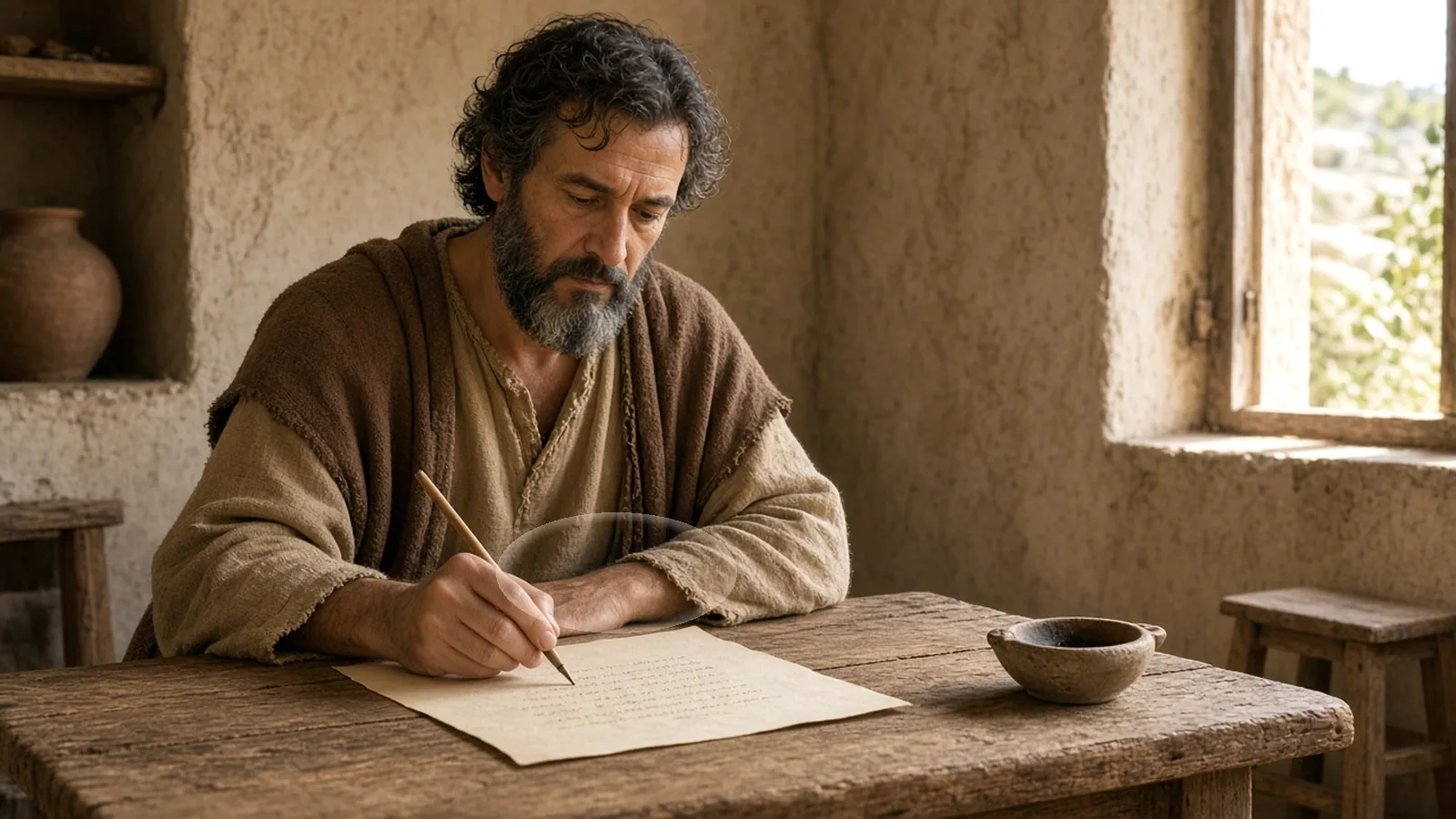
2 Corinthians 7:8-10 (KJV) For though I made you sorry with a letter, I do not repent, though I did repent: for I perceive that the same epistle hath made you sorry, though it were but for a season. Now I rejoice, not that ye were made sorry, but that ye sorrowed to repentance: for ye were made sorry after a godly manner, that ye might receive damage by us in nothing. For godly sorrow worketh repentance to salvation not to be repented of: but the sorrow of the world worketh death.
Paul regretted the sorrow his letter caused them. But when he saw that they received the correction and repented, he rejoiced. The letter had accomplished what it needed to accomplish.
There are two different Greek words involved here. Metamelomai means to regret or feel remorse. Metanoia, translated repentance in this passage, means a change of mind. When we repent of sin, that change affects how we live. We recognize that God is right, acknowledge that we have sinned, and turn from what we were doing.
Feeling bad about sin doesn't give us permission to continue in it. We can cry, apologize, and say we wish we hadn't done something, then go right back and do it again. We need to obey the Lord and His Word.
Look at Judas.
Matthew 27:3 (KJV) Then Judas, which had betrayed him, when he saw that he was condemned, repented himself, and brought again the thirty pieces of silver to the chief priests and elders,
The word translated repented himself is a form of metamelomai. Judas felt remorse. He knew he had done wrong, and he returned the money. But his sorrow ended with him taking his own life. Feeling the guilt of what he had done did not bring him back to the Lord.
Paul said the sorrow of the world worketh death. Godly sorrow worketh repentance to salvation. We need to consider where our sorrow is leading us.
Now consider what the Bible means when it says God repented.
Genesis 6:6 (KJV) And it repented the LORD that he had made man on the earth, and it grieved him at his heart.
Genesis was written in Hebrew, so we're dealing with a different word here. The verse tells us that God was grieved at His heart. Man's wickedness brought Him sorrow. God had committed no sin that He needed to forsake.
A parent may feel sorrow when a child needs discipline. The parent wishes the child had obeyed and that the discipline hadn't become necessary. But feeling that sorrow doesn't mean the parent should change the decision to correct the child.
God's grief over man's wickedness did not prevent Him from bringing judgment through the flood.
We need to examine ourselves. Am I sorry because I sinned against God, or because I have to face the consequences? Would I keep doing it if nobody found out? Am I willing to receive correction and change?
I can say I'm sorry, but I still have to turn from the sin. I have to stop defending what I did and submit to what God said.
Godly sorrow should bring me to repentance. When God shows me that I'm wrong, I need to humble myself, ask His forgiveness, and obey Him. Continuing in the same sin while saying I feel bad about it will still bring the consequences God warned us about.